On this page

Array operators in Amplitude

When you build charts in Amplitude, you choose between several array operators: is, is not, contains, does not contain, set is, set is not, set contains, and set does not contain. The diagrams in this article show how each operator behaves so you can choose the correct one for your analysis.

Equals and does not equal
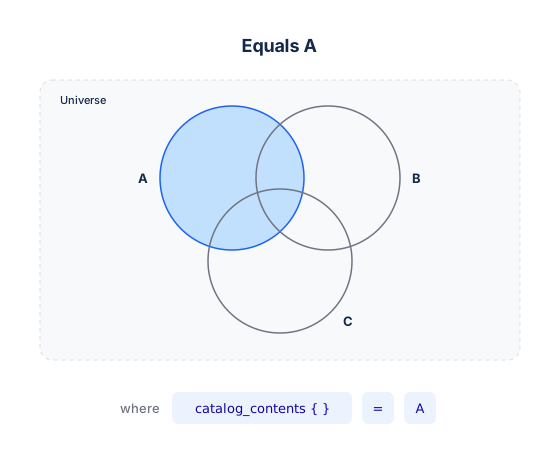
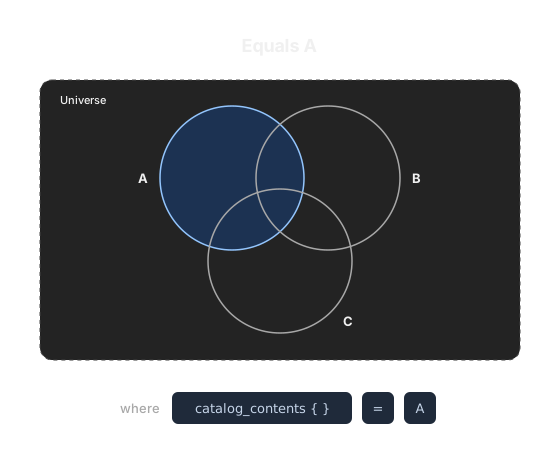
Equals A: the shaded region covers all of set A, including the parts it shares with B and C Equals A: the shaded region covers all of set A, including the parts it shares with B and C

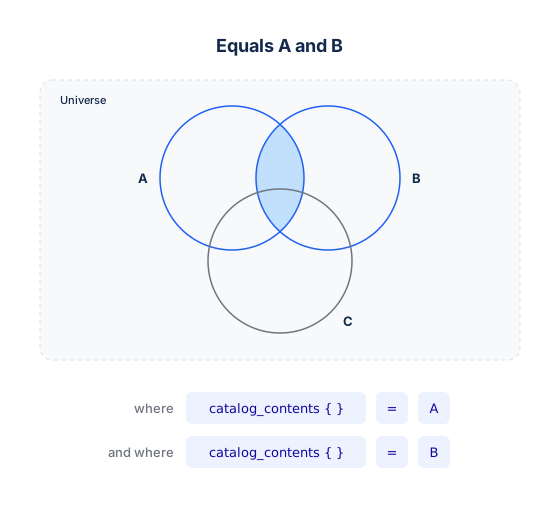
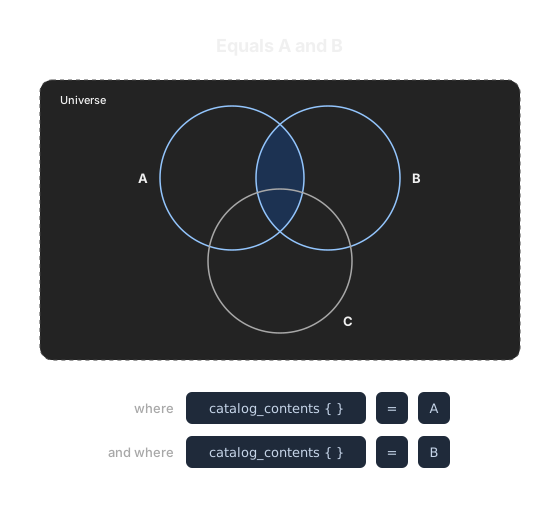
Equals A and B: the shaded region covers only the lens where A and B overlap Equals A and B: the shaded region covers only the lens where A and B overlap

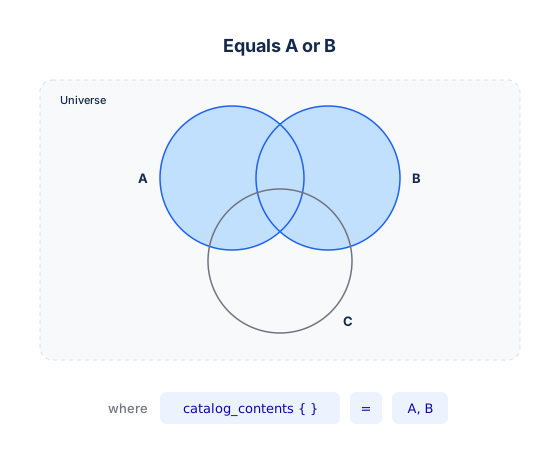
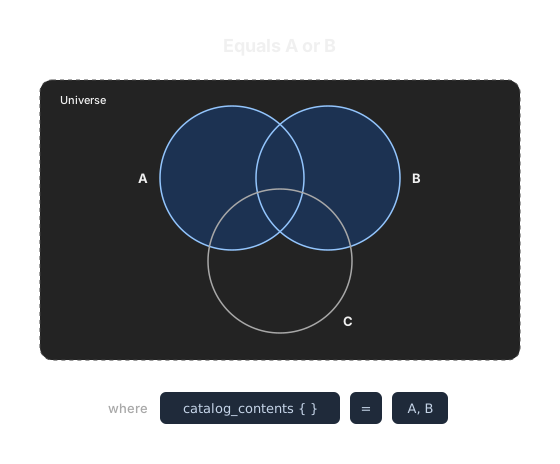
Equals A or B: the shaded region covers sets A and B in full Equals A or B: the shaded region covers sets A and B in full

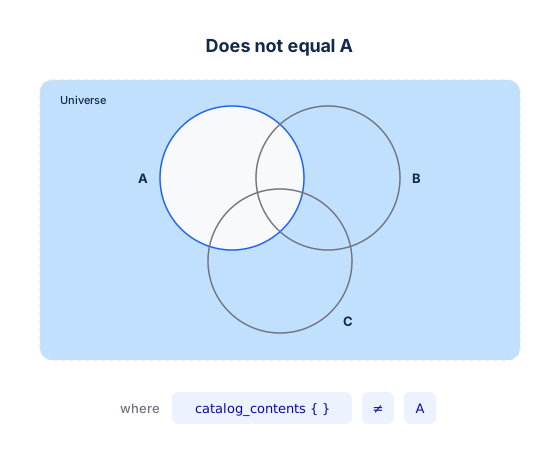
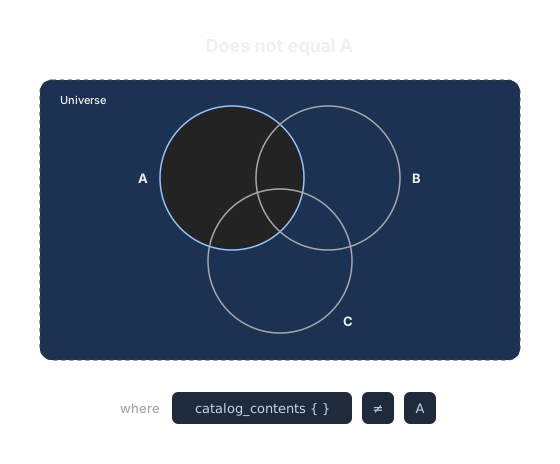
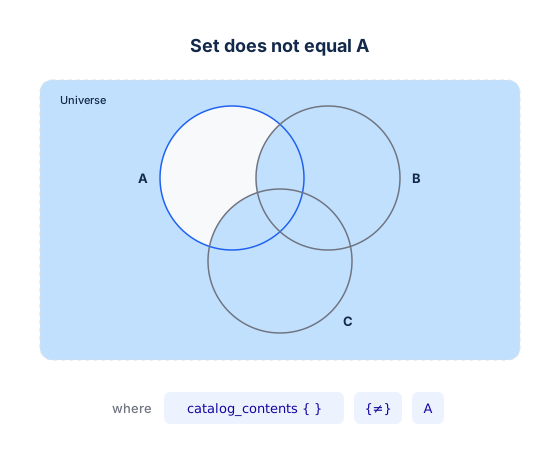
Does not equal A: the shaded region covers the whole universe except set A Does not equal A: the shaded region covers the whole universe except set A

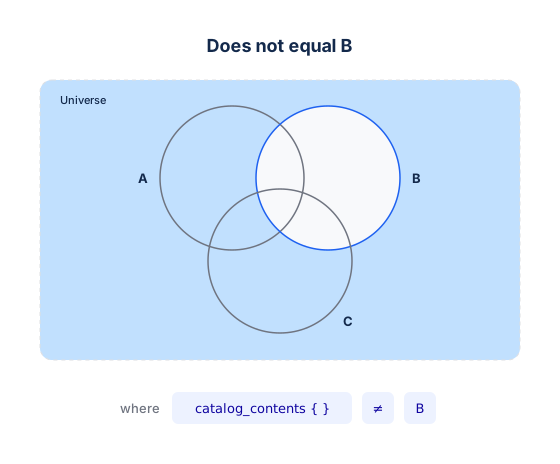
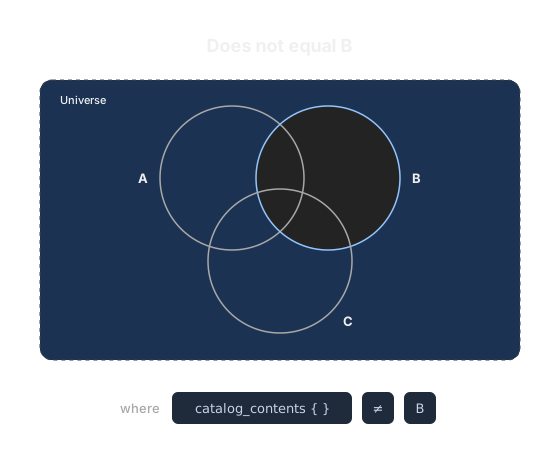
Does not equal B: the shaded region covers the whole universe except set B Does not equal B: the shaded region covers the whole universe except set B

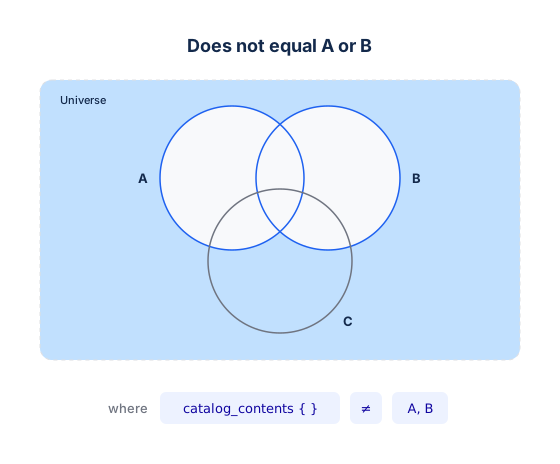
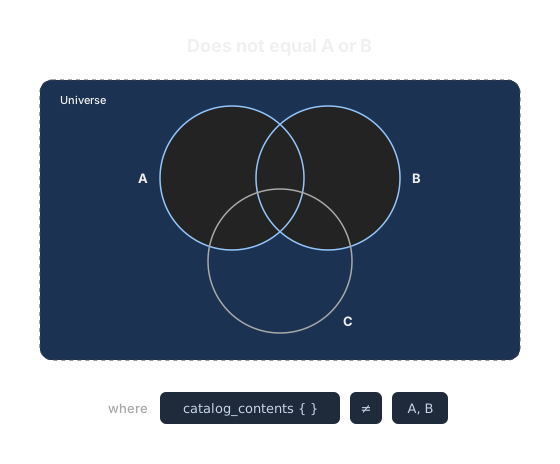
Does not equal A or B: the shaded region covers the whole universe except sets A and B Does not equal A or B: the shaded region covers the whole universe except sets A and B

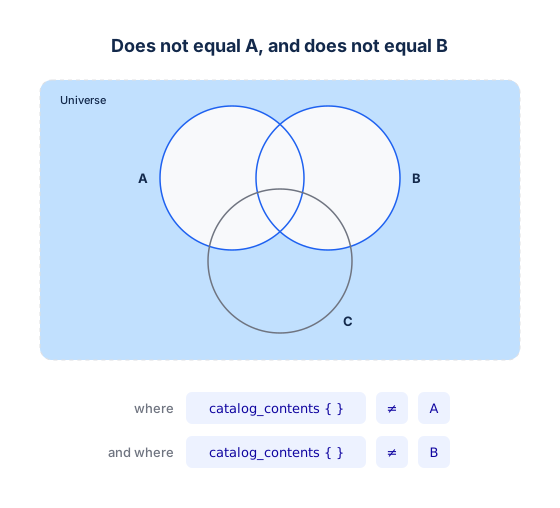
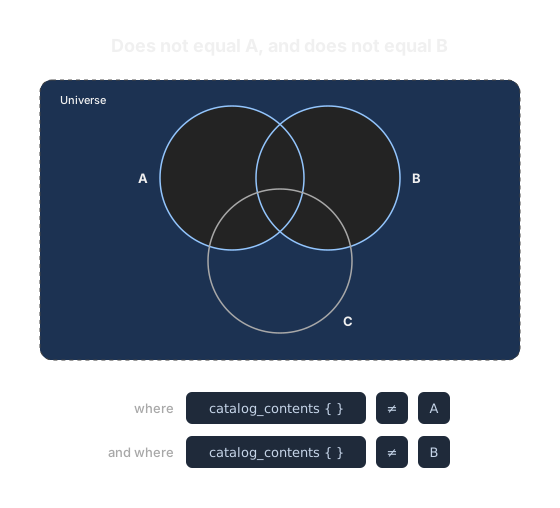
Does not equal A, and does not equal B: the shaded region covers the whole universe except sets A and B, the same region as a single not-equal filter listing both values Does not equal A, and does not equal B: the shaded region covers the whole universe except sets A and B, the same region as a single not-equal filter listing both values

Set contains and set does not contain
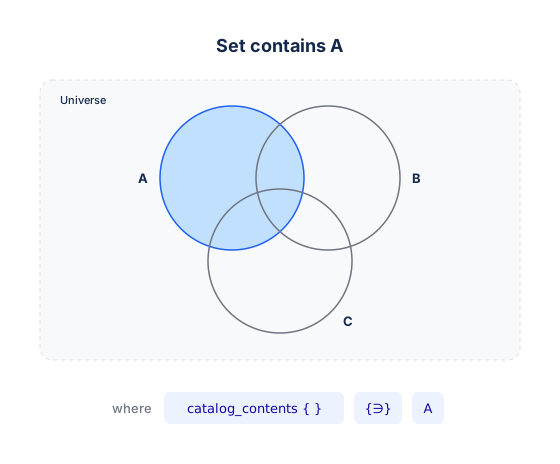
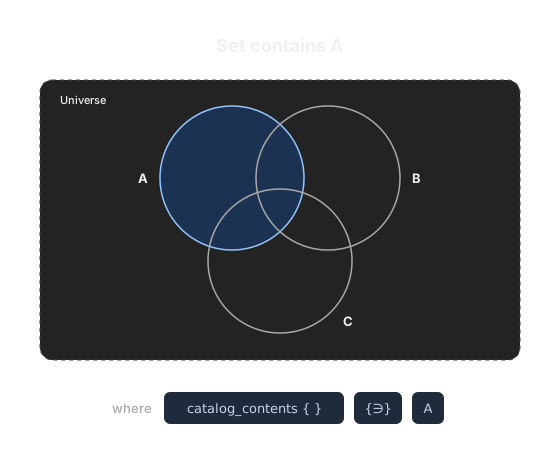
Set contains A: the shaded region covers all of set A Set contains A: the shaded region covers all of set A

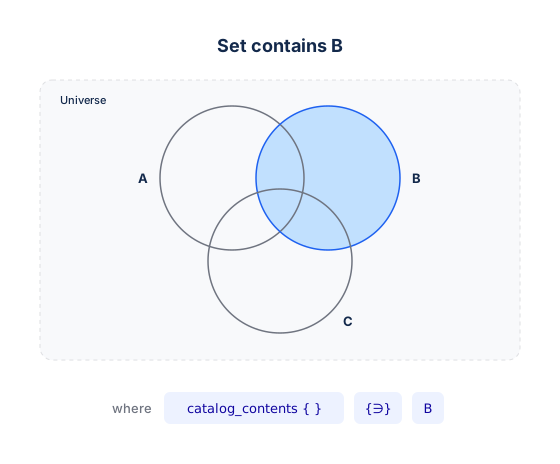
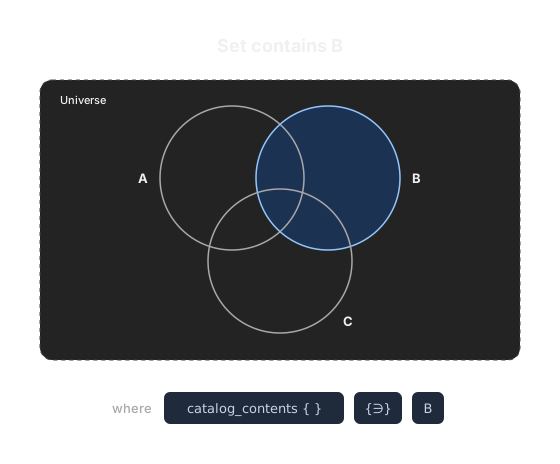
Set contains B: the shaded region covers all of set B Set contains B: the shaded region covers all of set B

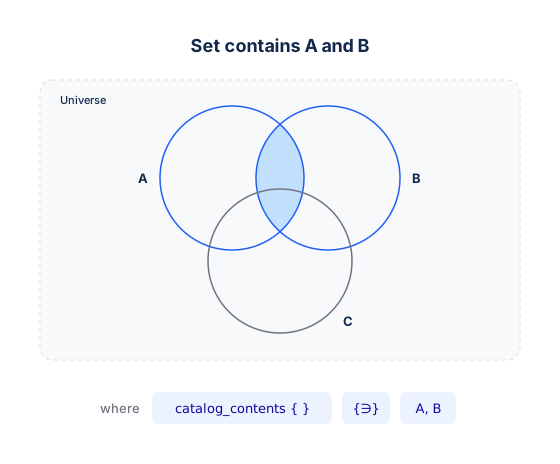
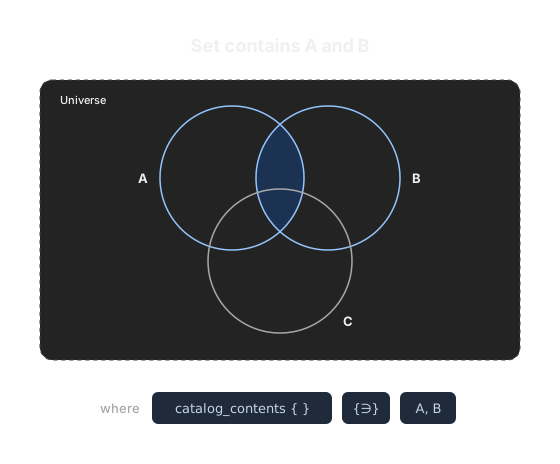
Set contains A and B: the shaded region covers only the lens where A and B overlap, because listing two values requires both Set contains A and B: the shaded region covers only the lens where A and B overlap, because listing two values requires both

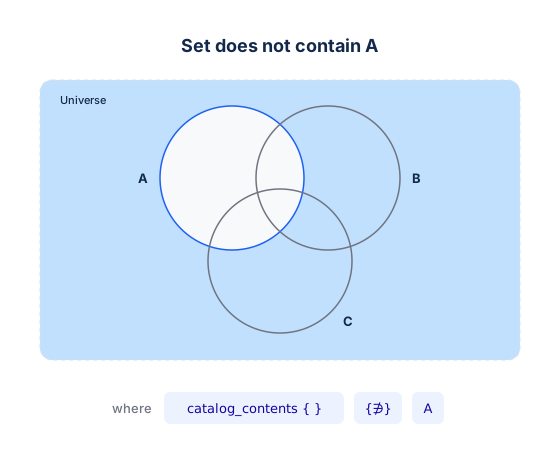
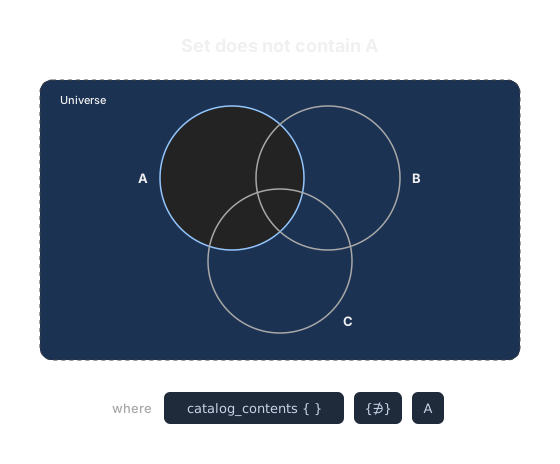
Set does not contain A: the shaded region covers the whole universe except set A Set does not contain A: the shaded region covers the whole universe except set A

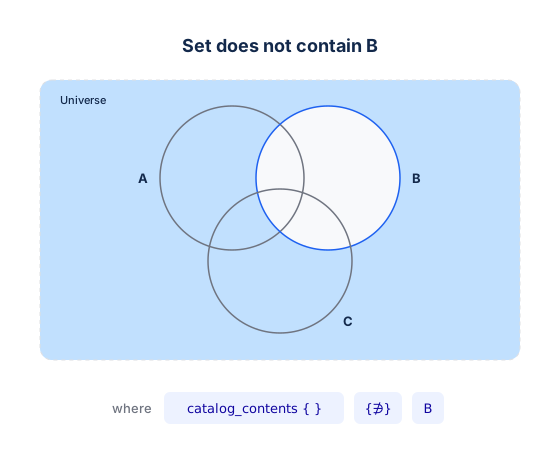
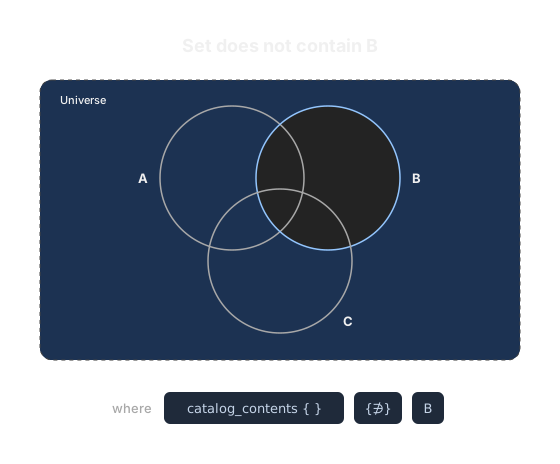
Set does not contain B: the shaded region covers the whole universe except set B Set does not contain B: the shaded region covers the whole universe except set B

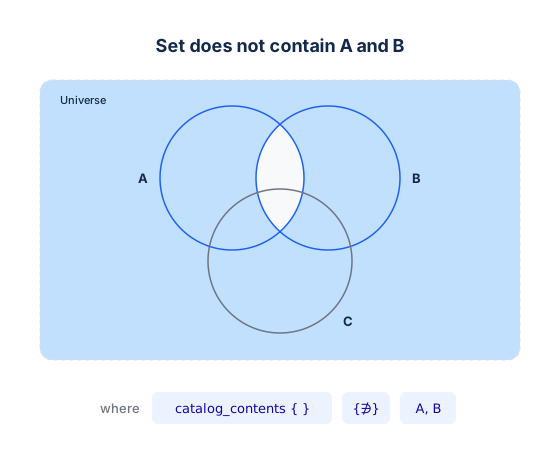
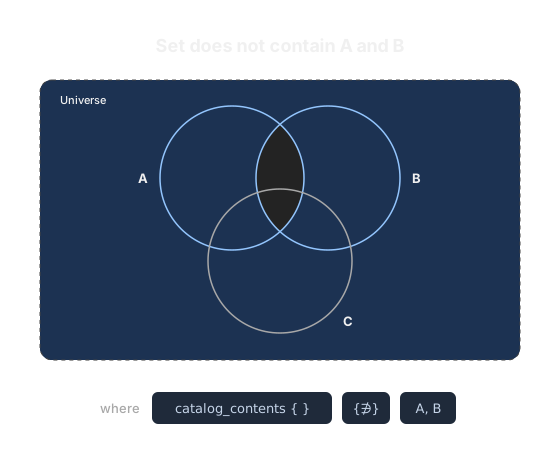
Set does not contain A and B: the shaded region covers everything except the lens where A and B overlap, so arrays holding just one of the two still match Set does not contain A and B: the shaded region covers everything except the lens where A and B overlap, so arrays holding just one of the two still match

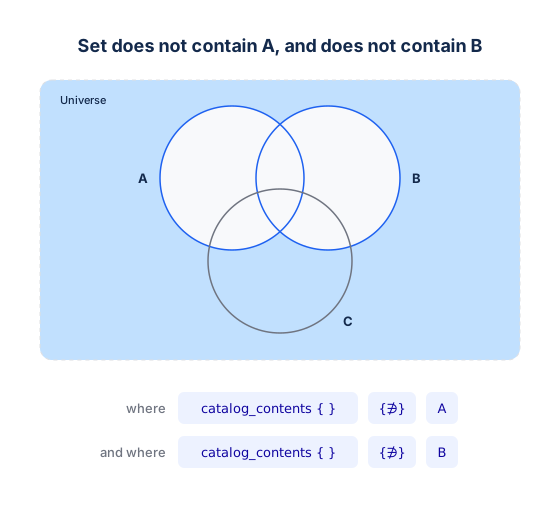
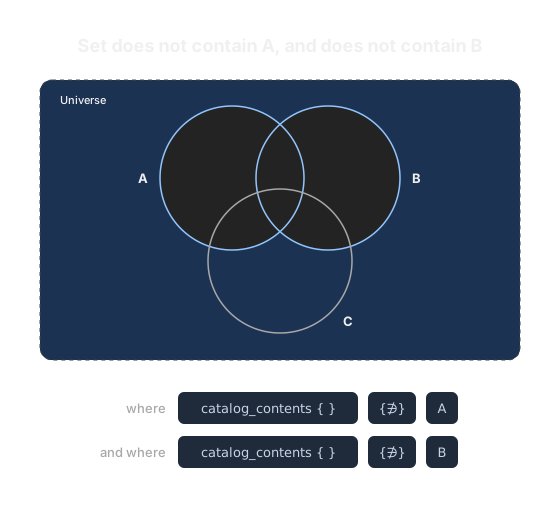
Set does not contain A, and does not contain B: the shaded region covers the whole universe except sets A and B, a larger exclusion than one filter listing both values Set does not contain A, and does not contain B: the shaded region covers the whole universe except sets A and B, a larger exclusion than one filter listing both values

Set equals and set does not equal
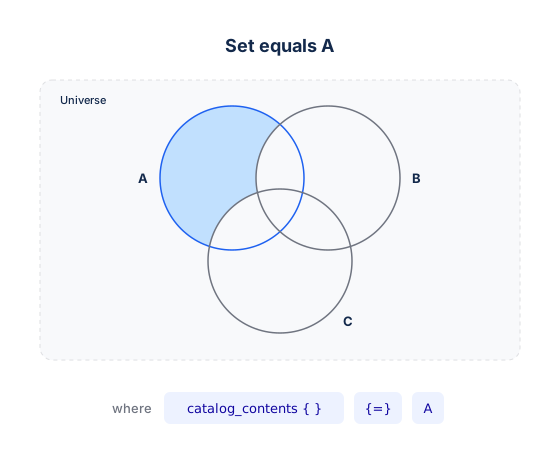
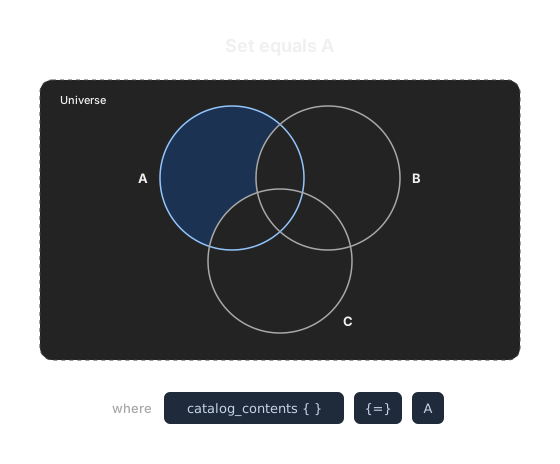
Set equals A: the shaded region covers only the part of set A outside B and C, because set equals needs an exact match Set equals A: the shaded region covers only the part of set A outside B and C, because set equals needs an exact match

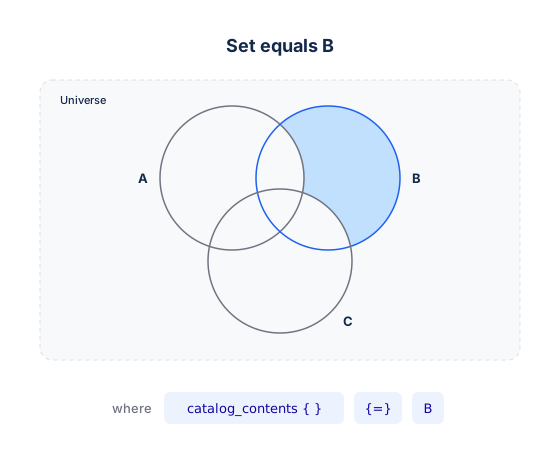
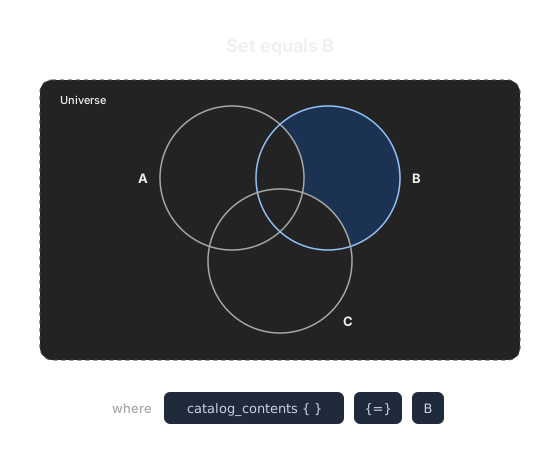
Set equals B: the shaded region covers only the part of set B outside A and C, because set equals needs an exact match Set equals B: the shaded region covers only the part of set B outside A and C, because set equals needs an exact match

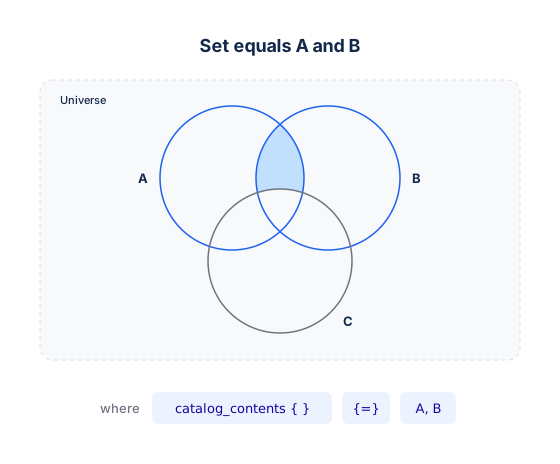
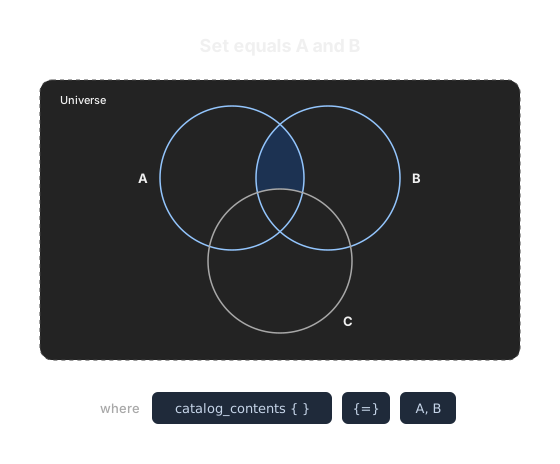
Set equals A and B: the shaded region covers only the part of the A and B overlap that lies outside C Set equals A and B: the shaded region covers only the part of the A and B overlap that lies outside C

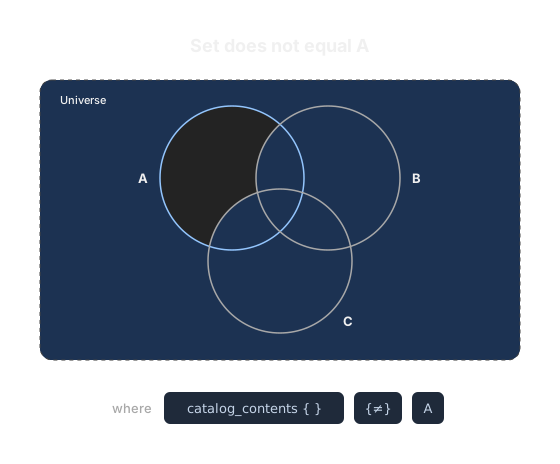
Set does not equal A: the shaded region covers everything except the part of set A outside B and C Set does not equal A: the shaded region covers everything except the part of set A outside B and C

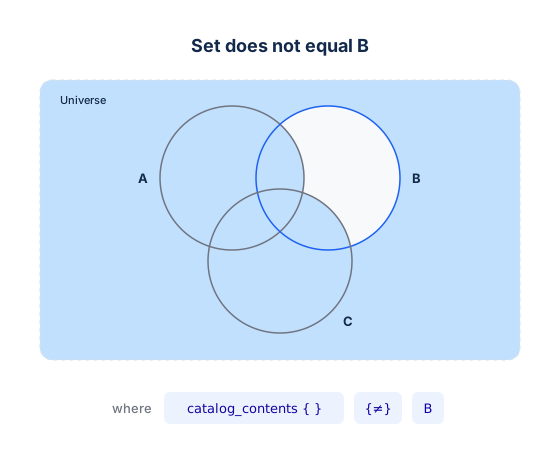
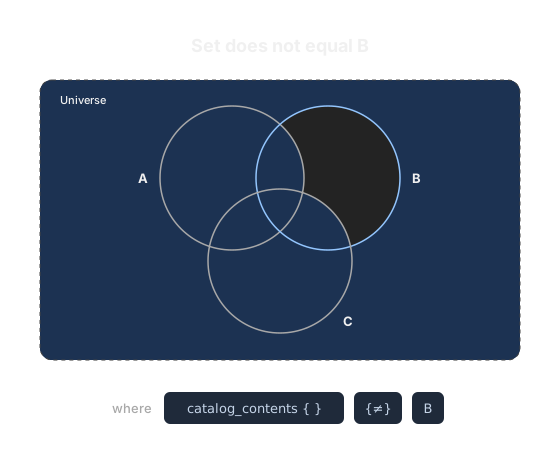
Set does not equal B: the shaded region covers everything except the part of set B outside A and C Set does not equal B: the shaded region covers everything except the part of set B outside A and C

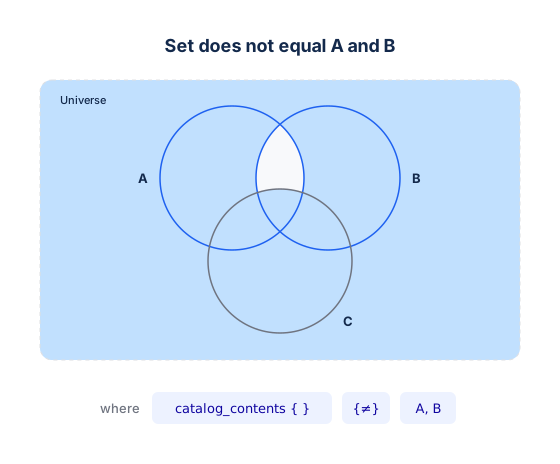
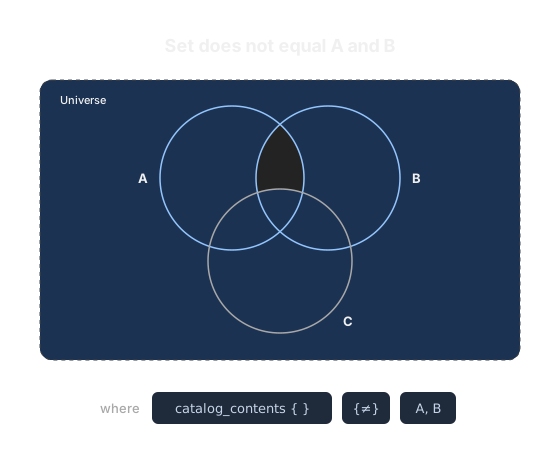
Set does not equal A and B: the shaded region covers everything except the part of the A and B overlap outside C Set does not equal A and B: the shaded region covers everything except the part of the A and B overlap outside C

Was this helpful?